
- Accelerated intestinal absorption
- Better protection and stability than other encapsulation technologies (prevents degradation)
- Greater bioavailability of the active ingredient
- Can incorporate both fat and water-soluble compounds into the liposomes
- Uniformly disperse and provide controlled release of the active ingredient
- Protection of the gut from irritating ingredients
- Low allergenicity and low toxicity.
Liposomes are hollow spheres, composed of phospholipids. Similar to an animal cell, the lipids arrange as a bilayer and surround an aqueous compartment. However, unlike an animal cell, they may have many layers of lipids and aqueous compartments. Liposomal vesicles can be as small as <0.1 mm to 1 mm. Water-soluble agents can be loaded into the center of the liposome while fat-soluble agents can be incorporated into the lipid bilayer.
Liposomal delivery is widely recognized as an improved delivery route for pharmaceuticals. There are a number of medications on the market that utilize liposomal delivery and there are several hundred clinical trials in progress.
The liposome bilayer protects vitamins, extends the half-life, and facilitates their uptake into cells. Liposomal antioxidant formulas have benefits on target tissues by increasing intracellular antioxidant levels and extending the time antioxidants are retained in the cell.
Liposomal C is 1250mg (comparable dosage to a Myers cocktail IV) is a 1 teaspoon dosage (30 day supply per bottle) & the Vitamin C (sodium ascorbate) is a biotech ingredient (lab made).
- Enzymatic
- Chemical modification
- Changes in pH
- Temperature fluctuation
- Ionic strength changes
One way to improve the efficiency in nutrient delivery is to improve adhesion of a substance to the mucosal layer of the gastrointestinal tract. Mucoadhesion improves contact and adhesion of an active ingredient to the mucus layer of the GI tract. Because mucus is an aqueous and lipid mixture, liposomes are ideally suited to diffuse molecules through the mucosal layer and into circulation.
A mucoadhesive formulation offers advantages over traditional delivery including:
- More contact time between the active ingredient and mucus
- Better, more intimate, contact between the active ingredient and mucus
- Protection of the active ingredients from
Liposomal delivery improved the water solubility of quercetin, prolonging its circulation times and accumulation in lung tissue. Liposomal bromelain increased the stability and bioavailability of the enzyme.
Liposomal nutrients not only raise circulating levels of nutrients but they also improve functional markers. Vitamin C is highly unstable and liposomal encapsulation led to three times longer half-life.
Vitamin C also has a notoriously slow pattern of absorption but this is accelerated when it is encapsulated within a liposome. Liposomal vitamin C led to greater circulating levels than unencapsulated vitamin C1 and protected against ischemia-reperfusion injury, a measure of oxidative damage.
Liposomal C is a liquid supplement that provides a powerful dose of vitamin C in a liposomal delivery system that offers optimal assimilation. The liposome has hydrophilic and hydrophobic sides, providing a fat and water portion, which allows vitamin C to be absorbed through the fat and water soluble pathways for proper utilization in the body. Liposomal C is especially beneficial for patients with general GI dysfunction.* Each serving provides 1250 mg of vitamin C in a flavorful, vegetarian, and citrus-free liquid. (60-day supply)
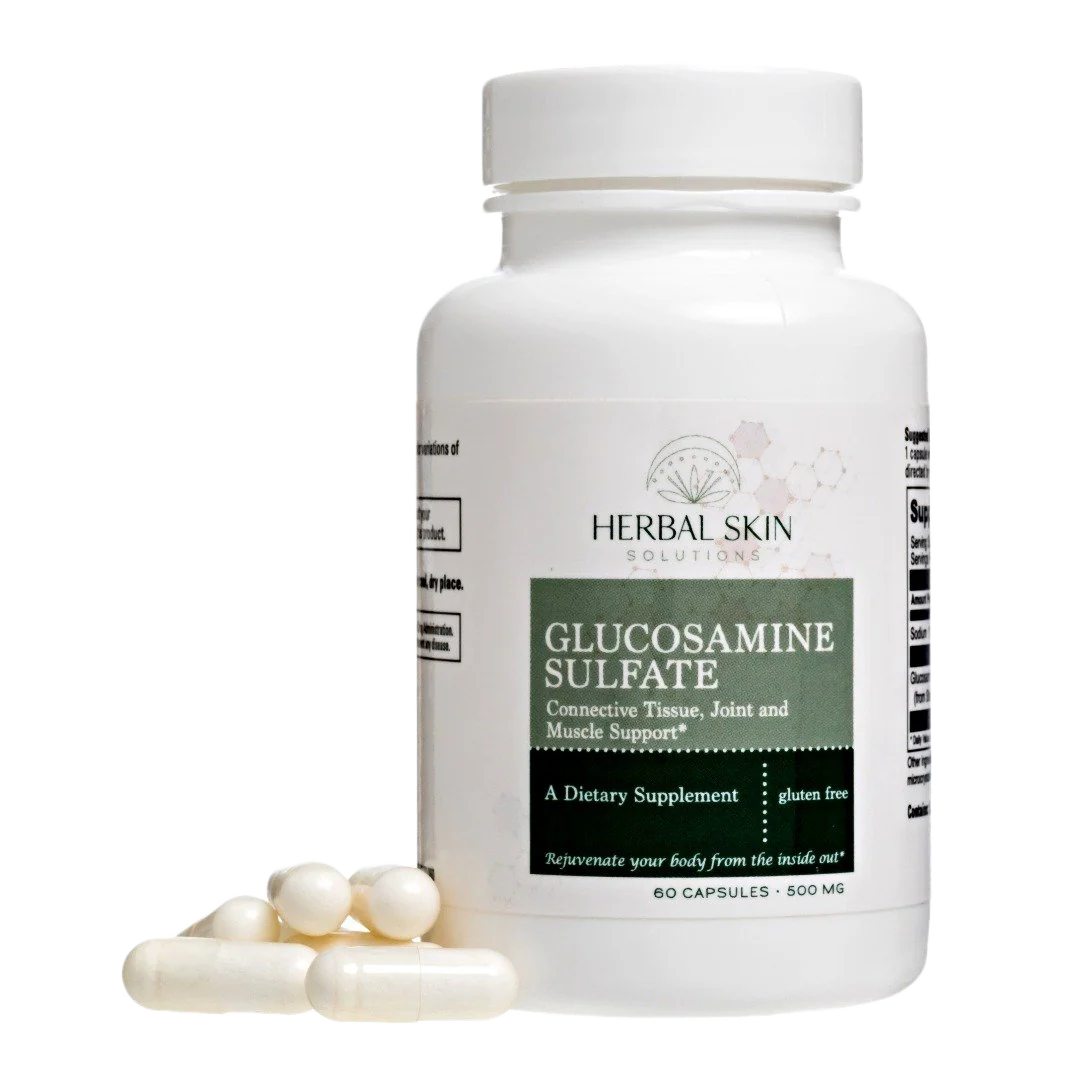
Glucosamine is an amino sugar typically formed in the body from glucose. It is the initiating point for the synthesis of glycosaminoglycans (GAGs), including hyaluronic acid. This dietary supplement is known to support the body’s connective tissue and joint functions. Studies have also shown Glucosamine to speed healing in wounds and controlled injuries such as CIT/ Micro-needling.
The rapid production of HA by Fibroblasts in the early stages of wound healing may be of crucial importance, as Hyaluronic acid stimulates the migration and mitosis of mesenchymal and epithelial cells. Increased levels of HA, observed during fetal wound healing, are also achieved by the topical application of HA during wound dressing, and are associated with quicker healing & reduced scarring. Glucosamine availability appears to be rate-limiting for Hyaluronic acid synthesis. Thus, oral administration of adequate amounts of Glucosamine during the first few days after surgery or trauma enhance Hyaluronic acid production in the wound and promote swifter healing and fewer complications related to scarring. (1,2)
This product contains shrimp and crab and should not be consumed by those with a shellfish allergy.
30 day supply / 60 capsules / Gluten Free
Sources:
1. Dr. Lance Setterfield -The Concise Guide to Dermal Needling (Third Medical Edition - Revised and Expanded)
2. McCarty MF. Glucosamine for wound healing. Medical Hypotheses. Volume 47, Issue 4, Pages 273-275
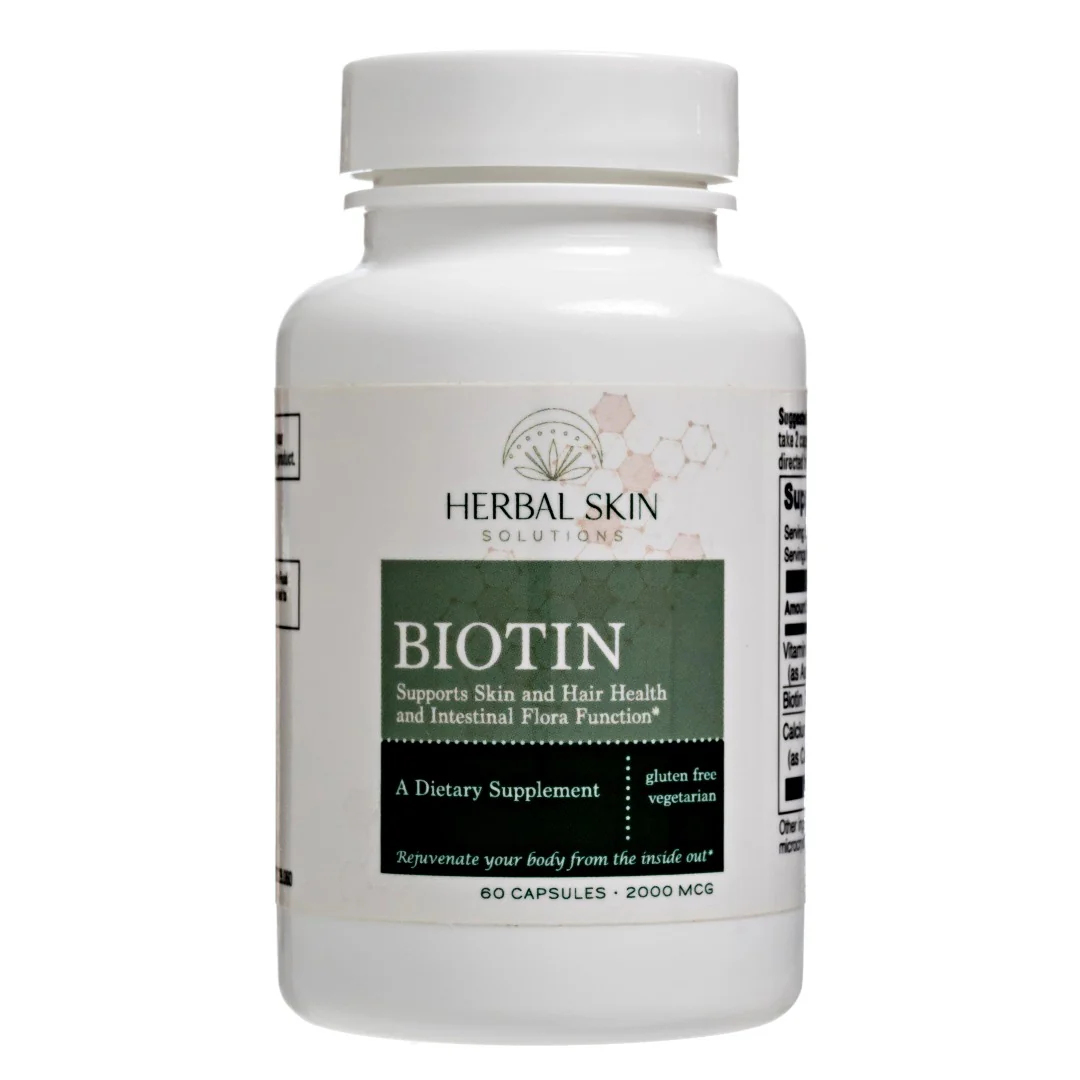
One-month supply of essential B- vitamin, Biotin, is A dietary supplement to support hair and nail growth, skin health and intestinal flora function.
When performing CIT for hair regrowth on clients with Alopecia, male, and/or female pattern baldness, Biotin may be beneficial.
This is a vegan and gluten-free product.
Those prone to acne may want to avoid high doses of biotin supplements and instead focus on a balanced diet and targeted skincare approaches.
- Biotin and pantothenic acid (vitamin B5) share a similar absorption pathway in the intestines. High doses of biotin can competitively inhibit the absorption of vitamin B5.
- Vitamin B5 is crucial for maintaining the skin barrier and reducing oil production. A deficiency in vitamin B5 can lead to an overproduction of sebum, contributing to acne breakouts.
As always, it's essential to consult with a healthcare professional before making any significant changes to your supplement regimen.